Color, Culture, and Coral Stone: Capturing Victoria’s Soul Through the Lens
You know that feeling when a place just speaks to your camera? That’s Victoria, Seychelles. This tiny capital isn’t flashy, but its Creole architecture—vibrant shutters, ornate fretwork, and coral stone walls—tells stories in every frame. I never expected such visual magic from a town smaller than most neighborhoods. It’s not just about snapping photos; it’s about catching light, texture, and history in one breath. Every alleyway hums with quiet life, every doorway seems to whisper secrets of the past. For the thoughtful traveler, especially one who appreciates beauty rooted in authenticity, Victoria offers a rare kind of intimacy—a city where color, culture, and craftsmanship converge into a living canvas.
First Impressions: Stepping into a Living Postcard
Arriving in Victoria is like stepping into a watercolor painting gently stirred by the breeze. The air carries the scent of ripe mangoes, salt, and frangipani blossoms, mingling with the faint tang of fish from the nearby market. Unlike sprawling capitals, Victoria unfolds at a human scale—its streets designed for strolling, not rushing. Within minutes of landing at Seychelles International Airport and driving the short distance into town, the city reveals its charm through subtle contrasts: the deep green of coconut palms framing pastel-painted buildings, the rhythmic clang of a distant church bell cutting through tropical humidity.
For photographers, the initial moments are charged with discovery. The lens picks up details the naked eye might overlook—the way sunlight hits a weathered blue shutter, casting intricate shadows on a coral stone wall, or how a child’s red flip-flops pop against a mustard-yellow doorstep. There’s no need to chase grand vistas; instead, beauty emerges in fragments. A clothesline strung between two 19th-century houses, fluttering with bright fabric, becomes a composition of color and daily rhythm. A bicycle leaning against a wooden gate, rusted but still functional, speaks of time and use.
What stands out most is the harmony between nature and structure. Buildings don’t dominate the landscape; they grow from it. Palms rise beside rooftops, bougainvillea spills over fences, and the occasional gecko darts across a sun-warmed wall. This integration makes Victoria feel less like a constructed city and more like an organic extension of the island itself. The photographic opportunities aren’t staged—they’re embedded in the pulse of ordinary life, waiting to be noticed by someone who walks slowly and looks closely.
The Heart of Creole Architecture: What Makes Victoria Unique
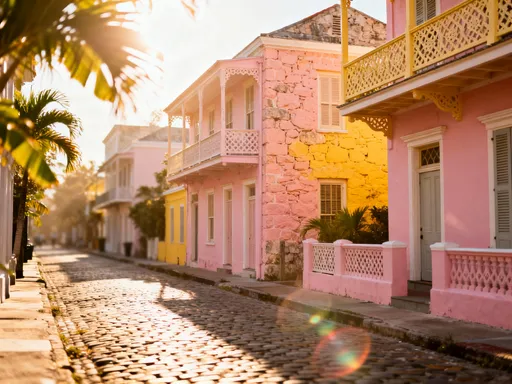
At the core of Victoria’s visual identity lies Creole architecture—a style shaped by climate, history, and cultural fusion. It’s not purely French, nor entirely British, but something distinctly Seychellois, born from necessity and refined by generations. The hallmark features are instantly recognizable: steeply pitched roofs designed to shed heavy tropical rains, wide verandas that offer shade and social space, and tall, louvered shutters that allow cross-ventilation while maintaining privacy. These aren’t just aesthetic choices—they are intelligent adaptations to life in the Indian Ocean.
The historical roots of this architectural style trace back to the 18th century, when French settlers first established a presence on the islands. They brought with them colonial design principles, but quickly had to modify them for the humid, storm-prone environment. Later, under British administration, certain elements evolved—such as the use of corrugated iron roofing—but the essence remained. What emerged was a hybrid form that also absorbed influences from East Africa, India, and Madagascar, carried by enslaved and indentured laborers who contributed their own craftsmanship and spatial sensibilities.
One of the most defining materials in Victoria’s buildings is coral stone. Harvested from ancient reef formations, this porous limestone was traditionally cut into blocks and used for foundations and lower walls. It provides natural insulation, keeping interiors cooler during the day, and its warm, honeyed tones change subtly with the light—appearing golden at dawn, soft gray at midday, and rich amber in the evening. Paired with locally sourced timber—often hardwoods like takamaka or bois de rose—these materials create a palette that feels both earthy and elegant.
The craftsmanship is equally important. Intricate fretwork, known locally as ‘lattice screens,’ adorns gables and verandas, serving both decorative and functional purposes. These wooden cutouts allow airflow while filtering sunlight, casting delicate patterns on floors and walls. Similarly, the use of bright paint on doors and window frames—colors like turquoise, coral pink, and lime green—was historically practical (to protect wood from rot) but has since become a cultural signature. Together, these elements form a language of design that speaks of resilience, adaptation, and quiet pride.
Must-Shoot Spots: Where Architecture Meets Light
While all of Victoria invites the lens, certain locations offer especially rewarding compositions where architecture, light, and daily life intersect. Chief among them is the Market Square, centered around the iconic Clock Tower—a replica of London’s Vauxhall Clock Tower, gifted in 1903. Though a colonial relic, it has become a beloved landmark, framed daily by vendors selling coconuts, spices, and handwoven baskets. The square’s symmetry makes it ideal for wide-angle shots, particularly in the early morning when the light is soft and the market is coming to life. Capturing a vendor arranging vanilla pods beneath the tower’s shadow creates a narrative of continuity—tradition meeting the present.
A short walk away, Queen’s Avenue and Independence Avenue reveal quieter, more intimate scenes. These tree-lined streets are lined with well-preserved colonial homes, many now repurposed as government offices or small businesses. Here, the focus shifts to texture: peeling paint on wooden doors, iron railings worn smooth by time, and the interplay of shadow and color. A single shutter left ajar might reveal a glimpse of a courtyard garden, while a cat sleeping on a veranda invites a candid, unposed moment. These streets reward patience—waiting for the right light, or for a passerby in traditional dress to walk into the frame, adding scale and context.
For cultural contrast, St. Paul’s Anglican Church and the nearby Hindu Temple offer rich photographic opportunities. St. Paul’s, with its white walls and red-tiled roof, stands modestly among residential buildings, its open doors often revealing worshippers lighting candles. The simplicity of its design allows for clean compositions, especially when framed by flowering trees. Just blocks away, the Hindu Temple bursts with color and detail—its gopuram (tower) painted in vivid reds and blues, adorned with sculpted deities. Shooting here requires respect—always asking permission before photographing inside—but the exterior details are fair game, offering intricate patterns and bold hues that contrast beautifully with the softer tones of surrounding homes.
Golden Hours: Timing Your Shots for Maximum Impact
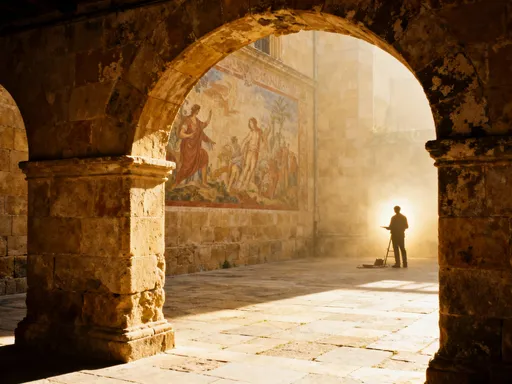
In Victoria, timing is everything. The midday sun, while bright, tends to flatten textures and wash out colors—making it less ideal for architectural photography. The true magic happens during the golden hours: the first hour after sunrise and the last hour before sunset. During these windows, the light takes on a warm, diffused quality that enhances the natural tones of coral stone and brings out the depth in painted woodwork. A wall that looks dull at noon becomes luminous, its surface revealing layers of history in every chip and crack.
Sunrise in Victoria is particularly special. The city wakes slowly, and the early light slants across empty streets, casting long, dramatic shadows. A shuttered storefront might glow in golden light while the rest of the block remains in soft blue shade—an ideal setup for high-contrast black-and-white photography. Similarly, the Clock Tower, backlit by the rising sun, becomes a silhouette against a pastel sky, its details sharpened by the rim light. For those willing to rise early, these moments offer solitude and serenity, with few people around to disrupt the composition.
At sunset, the light wraps buildings in a warm embrace. East-facing facades catch the final rays, making coral stone walls appear to glow from within. This is the perfect time to experiment with backlighting—positioning your subject between the camera and the sun to create silhouettes or halo effects. Reflections also come into play: puddles after a brief rain, polished wooden doors, or even the glass of a shop window can double the visual interest of a scene. Using a polarizing filter can help reduce glare while enhancing sky and color saturation.
When it comes to technique, consider balancing long exposures with handheld shooting. A tripod allows for sharper detail in low light, especially when capturing interiors or shaded verandas. But don’t overlook the spontaneity of handheld photography—sometimes the most authentic moments happen too quickly to set up a tripod. The key is to know your equipment well enough to switch modes seamlessly, ensuring you never miss a fleeting expression or a sudden beam of light.
Beyond the Facade: Capturing Daily Life Within Historic Walls
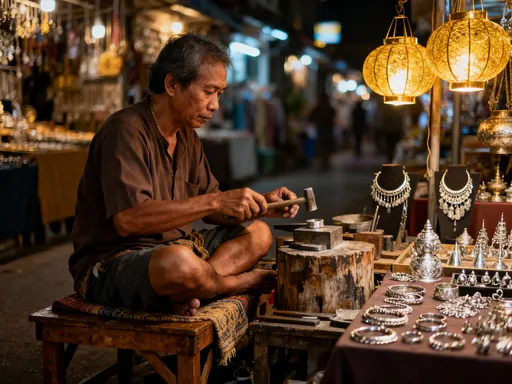
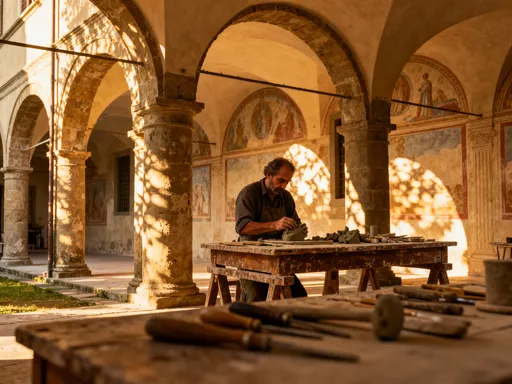
Victoria’s architecture is compelling on its own, but its soul lies in the people who inhabit it. The most powerful photographs are those that show life unfolding within and around these historic structures. A shopkeeper arranging bottles of vanilla extract in a coral stone storefront, a grandmother calling to her grandchildren from a veranda, or a tailor working beneath a ceiling fan in a sunlit room—these are the moments that transform a building into a home.
Photographing people in Victoria requires sensitivity. Many residents are accustomed to tourists, but that doesn’t mean they welcome intrusion. The best approach is to establish eye contact, smile, and ask permission with a simple gesture or polite phrase. Often, a nod is enough. When people feel respected, they’re more likely to engage naturally, leading to more authentic images. Avoid using zoom lenses to capture candid shots from a distance—it can feel voyeuristic. Instead, get close, introduce yourself, and let the interaction unfold. You might end up with not just a photo, but a conversation.
Look for scenes where architecture and activity intersect. The Sir Selwyn Selwyn-Clarke Market, for example, is a hub of color and movement. Vendors sit beneath corrugated awnings, their stalls overflowing with mangoes, breadfruit, and fresh fish. The backdrop of colonial-era market buildings adds historical depth, while the vibrant produce provides natural color contrast. Shooting from a slightly elevated position—such as the market’s second-floor walkway—can offer a broader perspective, showing both the layout and the rhythm of trade.
Equally compelling are the quieter moments: a child doing homework at a window, a man repairing a fishing net on his porch, or a woman hanging laundry between two trees. These scenes don’t require dramatic lighting or perfect composition—they gain power from their honesty. When photographing such moments, consider the rule of thirds, but don’t let technical rules stifle emotion. A slightly blurred image of a laughing child running down a cobblestone alley can be more moving than a perfectly focused, sterile shot.
Gear & Approach: What You Really Need in Your Bag
One of the joys of photographing Victoria is that you don’t need a professional kit to capture its essence. While high-end cameras offer advantages in resolution and low-light performance, the heart of great photography lies in observation, not equipment. That said, a few thoughtful choices can enhance your experience. A lightweight zoom lens, such as a 24-70mm, offers versatility for both wide street scenes and tighter architectural details. A prime lens, like a 50mm f/1.8, excels in low light and delivers beautiful background blur (bokeh), ideal for portraits against textured walls.
A small tripod is worth carrying, especially if you plan to shoot in shaded areas or during golden hour. It allows for slower shutter speeds without camera shake, preserving detail in darker corners. However, be mindful of space—Victoria’s streets are narrow, and setting up bulky gear can be disruptive. A compact travel tripod or even a mini tabletop version can be sufficient for most needs.
Don’t underestimate the power of your smartphone. Modern phone cameras, especially in daylight, can produce stunning results. Their wide-angle modes are great for capturing full facades, and portrait mode can isolate subjects beautifully. Apps that allow manual control over exposure, focus, and white balance give you more creative freedom. Plus, using a phone can feel less intimidating to locals, making it easier to blend in and capture natural moments.
More important than any gadget is mindset. Slow down. Walk without a fixed agenda. Sit on a bench and watch how light moves across a building over ten minutes. Notice how a door opens, how a shadow shifts, how laughter echoes in a courtyard. The best photographs often come not from chasing the perfect shot, but from being present—allowing the city to reveal itself in its own time. When you approach photography as a form of connection rather than collection, your images gain depth and meaning.
Why This Matters: Preserving Beauty Through the Lens
Photography in a place like Victoria is more than a personal hobby—it’s a form of cultural preservation. Every image taken contributes to a visual record of how people live, build, and adapt in a unique corner of the world. As global influences reshape even the most remote destinations, documenting traditional architecture and daily customs becomes increasingly important. These photographs serve as quiet advocates for heritage, reminding both locals and visitors of the value in maintaining what is authentic.
Moreover, thoughtful photography supports sustainable tourism. When travelers share images that highlight craftsmanship, community, and context—not just picturesque facades—they encourage a deeper kind of travel. They inspire others to look beyond resorts and beaches, to explore towns like Victoria with curiosity and respect. This kind of attention can lead to greater investment in preservation, from restoring historic buildings to supporting local artisans.
On a personal level, photographing Victoria changes how you experience it. The act of framing a scene forces you to see more clearly—to notice the curve of a roofline, the texture of a wall, the way light dances on a windowsill. These moments of attention create lasting memories, far more vivid than passive sightseeing. You don’t just visit Victoria; you engage with it, one careful shot at a time.
Victoria isn’t a city that shouts for attention. It whispers. It reveals itself slowly, to those who walk its streets with open eyes and quiet hearts. For the traveler who values beauty rooted in history and humanity, it offers a rare gift: a chance to capture not just a place, but a feeling. So bring your camera, but leave behind the rush. Look closely. Shoot thoughtfully. Let the architecture guide your journey, and let each frame tell a story worth remembering.