You Won’t Believe What Porto’s Downtown Hides — A Local’s Real Take
Porto isn’t just about wine and river views — its downtown is a buzzing hub where tradition meets modern hustle. I walked every block, from sleek boutiques to hidden market corners, and discovered how the city's commercial heart beats with authenticity. Whether you're shopping, eating, or just soaking in the vibe, knowing where to go — and when — changes everything. This isn’t a tourist checklist. It’s a real look at how to experience Porto’s business district like someone who belongs.
First Impressions: Stepping into Porto’s Commercial Pulse
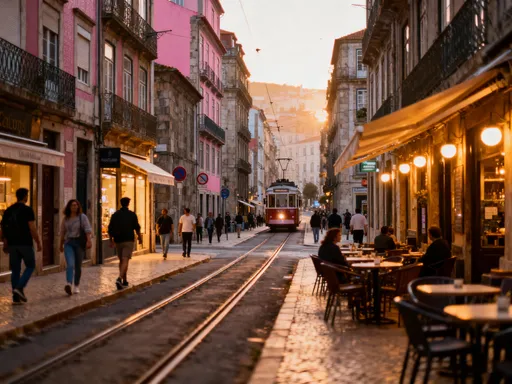
Arriving in downtown Porto through key transit points like São Bento or Trindade Station immediately immerses visitors in the rhythm of urban life. São Bento, renowned for its grand azulejo-covered interior, serves not only as a historical landmark but as a vital artery connecting regional rail lines to the city center. From here, the pulse of commerce becomes palpable. The sound of tram bells echoes against centuries-old stone buildings, mingling with the hum of conversation and the occasional street musician’s accordion. This is not a preserved tableau for tourists — it’s a working city, alive with purpose.
The architectural contrast defines the district’s character. Grand 19th-century facades with wrought-iron balconies stand shoulder to shoulder with minimalist glass-fronted stores. A woman in a floral apron arranges fresh sardines outside a fishmonger, while a few steps away, a young couple browses designer watches in a climate-controlled boutique. The coexistence feels natural, not forced. There’s no attempt to sanitize or over-commercialize; instead, there’s a quiet confidence in being authentically Porto. Locals move with direction — heading to work, dropping off dry cleaning, meeting for coffee — and tourists who observe rather than rush begin to sense the city’s true tempo.
What sets Porto’s commercial core apart is its ability to welcome visitors without becoming one. Unlike cities where the historic center has been hollowed out for souvenir shops and themed restaurants, here the economy serves residents first. Shops stock goods people actually use. Bakeries sell bread for dinner, not just pastries for photos. Pharmacies display practical remedies alongside traditional herbal tinctures. This grounded reality makes the experience richer. When you walk these streets, you’re not watching a performance — you’re stepping into daily life. That authenticity is the first gift the city offers, and it begins the moment you exit the station and let the city’s rhythm guide your steps.
Rua de Santa Catarina: The Beating Spine of Downtown Shopping
Stretching over a kilometer from Praça de Lisboa to Praça da Batalha, Rua de Santa Catarina is the commercial backbone of Porto. This broad, pedestrian-friendly avenue draws thousands daily, from local shoppers to curious travelers. Its surface, paved with traditional calçada portuguesa stone patterns, guides foot traffic past a dynamic mix of international brands and family-run businesses. You’ll find Zara and H&M alongside century-old bookshops and shoemakers who still repair leather by hand. This blend is not accidental — it reflects Porto’s openness to modernity without surrendering its heritage.
Among the most cherished stops is Confeitaria do Bolhão, a pastry shop that has served sweet treats since 1923. Stepping inside feels like entering a time capsule: marble counters, brass scales, and glass display cases filled with pastéis de nata, travesseiros, and queijadas. Locals line up not for nostalgia but because the quality remains unmatched. The scent of caramelized custard and toasted sugar lingers in the air, drawing in passersby who often leave with small paper bags of warm tarts. It’s a reminder that in Porto, tradition isn’t preserved behind glass — it’s baked, served, and consumed daily.
For those seeking modern retail, the upper stretch of Rua de Santa Catarina delivers. Department stores like Marques da Silva offer curated selections of Portuguese fashion, home goods, and cosmetics. Yet even these larger establishments maintain a personal touch — staff remember regulars, offer samples of local jams or olive oils, and often close early on Sundays, respecting the Portuguese rhythm of rest. To make the most of your visit, arrive early in the morning when the streets are quieter and the light softens the stone buildings. Weekday mornings are ideal for relaxed browsing, while weekend afternoons bring crowds, especially during market season or holiday promotions.
Smart navigation enhances the experience. Parallel streets like Rua de Fernandes Tomás offer shaded alternatives during summer heat, while underground passages near Praça da Batalha provide quick access to metro lines and nearby shopping centers. Wearing comfortable shoes is essential — not just for distance, but for the uneven cobbles that define Porto’s charm. And while the street is largely safe and well-patrolled, it’s wise to stay aware of surroundings, particularly in busy areas where pickpocketing can occur. With the right timing and mindset, Rua de Santa Catarina becomes more than a shopping strip — it transforms into a living map of Porto’s economic and cultural identity.
Bolhão Market vs. Modern Retail: Tradition Meets Trend
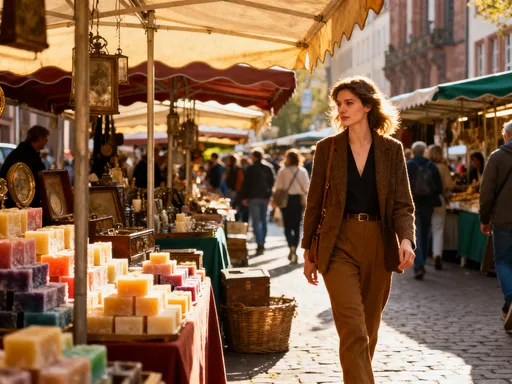
Mercado do Bolhão, recently restored after years of renovation, stands as a symbol of Porto’s commitment to preserving its commercial soul. Located just off Rua de Santa Catarina, this iron-framed market hall dates back to 1914 and has long served as a gathering point for locals sourcing fresh, seasonal goods. Inside, the air is thick with the scent of ripe peaches, wild mushrooms, and salted cod. Vendors call out prices in melodic Portuguese, their stalls overflowing with colorful produce, regional cheeses, and hand-cut meats. This is not a market staged for tourists — it’s where grandmothers teach grandchildren how to choose the ripest tomatoes and where chefs from nearby restaurants inspect bunches of parsley for freshness.
The market’s layout encourages slow, intentional movement. Ground level hosts fruit, vegetables, and fish, while upper floors feature flowers, poultry, and specialty foods like alheira sausage and piri-piri peppers. A small café in the corner serves bica (Portuguese espresso) and sandwiches made to order, allowing visitors to pause and absorb the energy. Since its reopening, the city has worked to maintain its authenticity, limiting commercial takeovers and supporting long-standing vendors. The result is a rare balance — a revitalized space that honors its past while serving modern needs.
In contrast, nearby shopping centers like NorteShopping and Cidade do Porto represent the other side of Porto’s retail landscape. These air-conditioned complexes house global brands, electronics, and multiplex cinemas, catering to convenience and variety. They attract younger shoppers and families seeking a one-stop experience, particularly during rainy days or holiday seasons. While efficient, they lack the sensory richness of Bolhão. There’s no bargaining, no personal connection, no smell of fresh basil — just streamlined consumption.
Yet both models have value. Visiting Bolhão Market offers cultural insight and a chance to engage with local producers, while modern malls provide accessibility and predictability. The thoughtful traveler doesn’t choose one over the other — they experience both. Doing so reveals a deeper truth: Porto’s economy thrives on duality. It embraces progress without erasing memory. It values efficiency but also ritual. By spending a morning at the market and an afternoon in a mall, you witness the full spectrum of how Porto residents live, shop, and sustain their communities. This balance is not always easy to maintain, but in Porto, it feels natural — a quiet declaration that growth does not require forgetting.
Hidden Business Corners: Beyond the Main Streets
Away from the foot traffic of Rua de Santa Catarina, quieter streets reveal a different kind of commerce — one rooted in creativity and craftsmanship. Rua Miguel Bombarda, once a residential lane, has evolved into a hub for contemporary art galleries and design studios. Here, whitewashed spaces display works by emerging Portuguese artists — abstract paintings, ceramic sculptures, textile installations using traditional weaving techniques. These galleries aren’t hidden in the sense of being secretive, but they require intention to find. They thrive not on footfall but on connection, often hosting intimate openings where artists discuss their process over glasses of vinho verde.
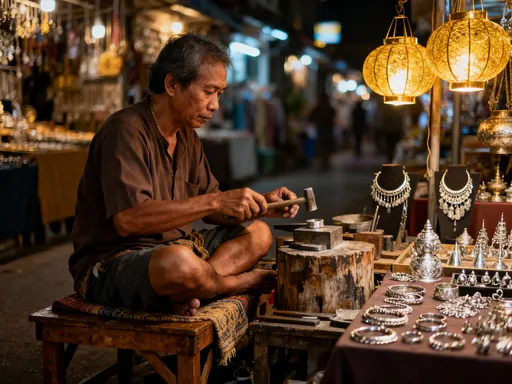
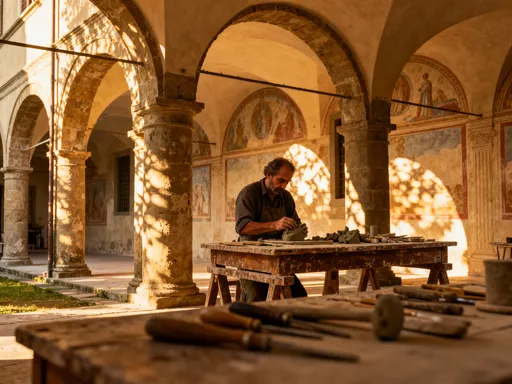
Nearby, Passagem de São Pedro offers another quiet revelation. This narrow, covered passage connects two busier avenues and is lined with small ateliers where artisans practice their trades. A third-generation cobbler repairs vintage boots with hand-stitched soles. A jewelry maker shapes silver into delicate filigree designs inspired by northern Portugal’s folk traditions. A bookbinder restores old family albums, using techniques passed down through apprenticeships. These spaces are not shops in the conventional sense — they are workshops where production and sale happen in the same room, often with the creator present.
These micro-businesses reflect a broader shift in Porto’s economy — a move toward value-driven, sustainable commerce. Many owners are young professionals who left corporate jobs in Lisbon or abroad to return home and build something meaningful. They prioritize quality over quantity, relationships over transactions. Their pricing reflects real labor and materials, not mass production. While they welcome tourists, their survival depends on local patronage. A hand-stitched leather bag may cost more than a factory-made one, but it comes with a story, a guarantee of repair, and a handshake from the maker.
Urban renewal in these areas has been gradual, avoiding the pitfalls of rapid gentrification. The city has implemented policies to protect small tenants, including rent stabilization and grants for façade restoration. As a result, these neighborhoods retain their human scale. You won’t find chain coffee shops or luxury boutiques displacing family businesses. Instead, renewal feels organic — like vines growing over old stone, enhancing rather than covering. For visitors, exploring these corners offers more than shopping — it offers insight into how cities can grow without losing their soul. It’s a reminder that economic vitality doesn’t require homogenization. In Porto’s hidden lanes, the future of commerce looks personal, thoughtful, and deeply local.
Coffee Culture & Workspaces: Where Business Meets Daily Life
In Porto, the café is more than a place to drink coffee — it’s a social and economic institution. Establishments like Manteigaria, a beloved name in Portuguese pastry and coffee, function as informal meeting points where business happens over bica and a pastel de nata. You’ll see architects sketching on tablets, shop owners reviewing invoices, and freelancers typing on laptops, all within earshot of clinking cups and friendly banter. These interactions aren’t staged for atmosphere — they reflect how work integrates into daily life in Portugal.
The pace is different from high-pressure business districts in global cities. There’s no rush to clear the table after one drink. A single espresso can last an hour, during which time a deal might be discussed, a contract reviewed, or a partnership formed. The café provides neutrality — a space outside the office or home where ideas flow more freely. Even in smaller espresso bars tucked into side streets, the ritual is the same: order at the counter, receive your drink, choose your spot, and settle in. Service is efficient but warm, with baristas remembering regulars’ preferences.
This culture supports a growing number of remote workers and independent professionals who value flexibility and connection. Co-working spaces have emerged near the city center, but many still prefer the authenticity of a neighborhood café. The lack of Wi-Fi in some traditional bars doesn’t deter them — it encourages presence, conversation, and focus. In this way, Porto’s coffee culture resists the digital saturation seen elsewhere. It preserves the human element in professional life.
For visitors, participating in this ritual offers a window into local values. Ordering a coffee and sitting quietly, observing the flow of people, allows you to absorb the city’s rhythm. It’s not about productivity — it’s about presence. The café becomes a classroom in urban living, teaching patience, civility, and the art of slow negotiation. Whether you’re a traveler or a resident, sharing this space means joining a quiet tradition — one where business isn’t separate from life, but woven into it, one cup at a time.
Navigating the District: Transport, Timing, and Practical Tips
Getting around downtown Porto is both simple and rewarding, especially when you embrace walking as the primary mode of transport. The commercial district is compact, with most key areas within a 20-minute stroll of each other. Sidewalks are generally well-maintained, though the iconic cobblestones can be uneven — supportive footwear is highly recommended, particularly for those with joint sensitivities. For longer distances, the metro system offers a clean, reliable alternative. Lines A, B, and C connect major hubs like Trindade, São Bento, and Aliados, with trains arriving every 5 to 10 minutes during peak hours.
Bike-sharing programs like Lime and Bolt provide another option, with docking stations near shopping zones and public squares. While hills can be challenging, electric assist bikes make cycling manageable for most fitness levels. For those with mobility concerns, many newer metro stations are equipped with elevators, and key sidewalks have tactile paving for the visually impaired. Public restrooms are available in shopping centers and major transit points, though they may require a small fee in some locations.
Timing your visit enhances comfort and experience. Mornings, from 9 to 11 a.m., are ideal for shopping and market visits — stalls are fully stocked, lighting is soft, and crowds are light. Lunchtime, between 12:30 and 2:30 p.m., brings a surge of activity as locals break for meals. This is a great time to visit cafés and small restaurants, which offer daily menus at reasonable prices. Evenings shift in tone — while the district remains safe and well-lit, many shops close by 7 or 8 p.m., especially on weekdays. Sundays are quieter, with only major stores and markets open, making it a peaceful day for relaxed exploration.
A day-by-day approach can help optimize your time. Monday through Friday supports a balanced mix of shopping, dining, and cultural visits. Saturdays are busiest, ideal for experiencing the city’s energy but requiring extra patience in crowded areas. Sundays, while limited in retail, offer a chance to see how locals enjoy their day off — strolling, meeting for coffee, or attending outdoor markets. Regardless of the day, staying hydrated and taking breaks in shaded plazas like Praça da Liberdade can prevent fatigue. With thoughtful planning, navigating Porto’s downtown becomes not just efficient, but part of the pleasure of being there.
Why This Matters: The Soul Behind the Storefronts
Porto’s commercial district is more than a collection of shops and streets — it is a reflection of Portuguese resilience, style, and community values. Every bakery, market stall, and family-run store carries a legacy of adaptation and care. These businesses have survived economic shifts, generational changes, and the pressures of globalization by staying true to quality and connection. They don’t chase trends blindly — they evolve with intention, preserving what matters while embracing what helps.
The balance between tourism and local life is delicate, yet Porto manages it with quiet strength. Visitors are welcomed, but not at the expense of residents’ needs. You won’t find entire neighborhoods converted into Airbnb zones or historic buildings turned into generic cocktail bars. The city prioritizes lived-in authenticity over curated charm. This respect for daily life makes the experience richer for everyone — tourists gain genuine insight, and locals retain their sense of belonging.
Visiting with respect, curiosity, and intention transforms a simple shopping trip into a meaningful encounter. When you buy bread from a neighborhood bakery, ask about the recipe. When you enter a small shop, allow time for conversation. When you pass a fishmonger arranging sardines, notice the care in the display. These moments are not transactions — they are exchanges of dignity and recognition. They affirm that behind every storefront is a person, a story, a lifetime of work.
In a world where cities increasingly look alike, Porto stands apart. Its downtown is not a theme park or a shopping mall — it is a living conversation between past and present. By exploring it with awareness, travelers don’t just buy or eat; they connect. This is urban Portugal at its most real.