Hidden Canvases: The Art Lover’s Secret Escape in Salamanca
Nestled in the heart of Spain, Salamanca is more than ancient stone and golden light—it’s a city that breathes art in quiet corners most travelers miss. I wandered beyond the cathedral and plazas, discovering intimate galleries, repurposed chapels, and street murals with soul. These hidden art spaces don’t shout for attention, but once seen, they linger. This is not just sightseeing—it’s a deeper conversation with creativity. For the thoughtful traveler, especially those seeking meaningful connection over checklist tourism, Salamanca offers a rare gift: the chance to encounter art where it lives naturally, away from crowds and commercialization. It’s a journey not of miles, but of attention.
The Soul of Salamanca Beyond the Guidebooks
Salamanca, a UNESCO World Heritage city since 1988, is often celebrated for its ornate Plaza Mayor, the historic University of Salamanca—the oldest in Spain—and the shimmering golden stone that glows at sunset. These landmarks are undeniably beautiful, drawing visitors from around the world. Yet, for those willing to look beyond the postcard views, a quieter, more intimate cultural layer unfolds. This is a city where centuries of scholarship and spiritual reflection have nurtured a deep respect for beauty, expression, and intellectual inquiry. The rhythm of student life, the echoes of Latin lectures in medieval halls, and the soft footsteps on cobbled lanes all contribute to an atmosphere where creativity thrives in subtlety. Today’s travelers, particularly those between the ages of 30 and 55, are increasingly drawn not to what everyone sees, but to what few notice. They seek authenticity, personal resonance, and moments of quiet discovery. Salamanca’s hidden art spaces—often unmarked, unadvertised, and tucked into forgotten courtyards—answer this longing. They invite a slower kind of tourism, one rooted in presence and curiosity, where art is not consumed but experienced.
The Allure of Hidden Art Spaces: Why They Matter
What defines a hidden art space? It is not merely a gallery off the main drag, but a place where art exists in dialogue with its surroundings—where the setting itself becomes part of the story. These spaces are often non-commercial, community-supported, or run by artists themselves. They might occupy a converted laundry room, a disused chapel, or a private home opened for monthly exhibitions. Unlike large museums, which can feel institutional and distant, these venues foster intimacy. You may find yourself standing inches from a painting while the artist explains their inspiration in hushed tones. There is no velvet rope, no audio guide—just human connection. The emotional impact of encountering art in such settings is profound. It feels personal, almost sacred. Studies in cultural psychology suggest that unexpected aesthetic experiences can heighten emotional well-being and deepen memory retention. When art appears where we least expect it—on a crumbling wall, in a quiet cloister, behind a weathered door—we are more likely to pause, reflect, and internalize what we see. These moments of surprise and wonder are what many modern travelers, especially those with families and busy lives, cherish most. They offer a break from routine, a spark of inspiration, and a reminder that beauty persists in the margins.
Salamanca’s Artistic Pulse: A City Steeped in Creativity
Salamanca’s identity as a center of learning dates back to the 13th century, when its university attracted scholars from across Europe. This legacy of intellectual pursuit has always been intertwined with artistic expression. Philosophy, theology, and the arts were once inseparable disciplines, and that spirit endures. Today, the university continues to play a vital role in shaping the city’s creative landscape. Art and architecture students regularly exhibit their work in public spaces, and interdisciplinary projects often blend digital media with traditional craftsmanship. The city government, recognizing the value of cultural vitality, has supported initiatives like the annual Festival de las Artes, which transforms streets and squares into open-air galleries for ten days each spring. Local businesses, too, have embraced this shift—cafés display rotating works by emerging artists, and bookshops host poetry readings paired with visual art installations. What makes Salamanca unique is not just the presence of art, but the way it is woven into daily life. Tradition and modernity coexist without conflict. A 16th-century façade may host a projection mapping installation during a cultural night, or a classical music concert might be followed by a contemporary dance performance in the same courtyard. This fluidity allows for experimentation while honoring the past, creating a fertile ground for authentic artistic expression.
Off-the-Beaten-Path Studios and Galleries
One of the most rewarding experiences for the discerning visitor is discovering Salamanca’s lesser-known galleries—places that do not appear on standard tourist maps but are cherished by locals. Take, for example, the small exhibition space housed within a former convent on Calle Libreros, just a few steps from the bustling university building. Though the exterior is modest, stepping inside reveals a serene courtyard garden and a series of whitewashed rooms where contemporary painters and sculptors display their work. The atmosphere is hushed, reverent, and welcoming. Exhibits change monthly, often curated around themes such as memory, identity, or the natural world. Admission is typically free or by small donation, and visitors are encouraged to speak with gallery volunteers—many of whom are artists themselves. Another gem is a private studio tucked behind a historic iron gate on Calle Toro. Once a storage cellar, it has been transformed into a light-filled gallery with vaulted brick ceilings. Here, multimedia installations—combining sound, video, and tactile elements—invite contemplation. Opening hours are limited, often restricted to weekends or by appointment, but the effort to visit is rewarded with a sense of exclusivity and depth. These spaces are not designed for mass tourism; they thrive on quiet appreciation and personal engagement. For the traveler seeking more than surface-level exposure, they offer a rare opportunity to witness art in its most vulnerable and honest form.
Street Art and Urban Expression: Murals with Meaning
While Salamanca’s historic center is carefully preserved, its outer neighborhoods have become canvases for a growing street art movement. Unlike graffiti that defaces property, these murals are often commissioned or created with community support, reflecting local stories, social values, and regional pride. In the San Bernardo and Congosto districts, vibrant walls depict scenes from Castilian folklore, portraits of historical figures, and abstract patterns inspired by traditional tilework. One particularly moving piece, located on a long exterior wall near the old train line, portrays a woman holding a book and a sprig of olive branches—a tribute to education and peace. The artist, a Salamanca native, painted it during a city-sponsored urban renewal project. Another alleyway in the Oeste neighborhood features a series of interconnected murals by different artists, each contributing a panel to a larger narrative about migration, family, and belonging. These works are not static; they evolve as new artists add their voices. For the art-minded explorer, a self-guided walking route through these areas offers both physical activity and emotional enrichment. Start at the San Bernardo market, follow Calle Mirón toward the river, and allow yourself to wander without a strict map. Look up, look closely, and let the city reveal its stories. Many of these murals are best viewed in the late afternoon when the sunlight casts soft shadows across the brick, enhancing the textures and colors.
Art in Unlikely Places: Chapels, Cloisters, and Forgotten Corners
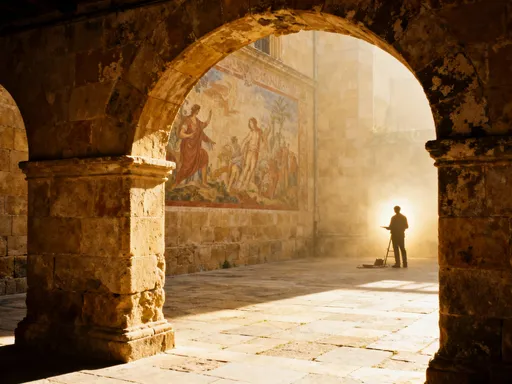
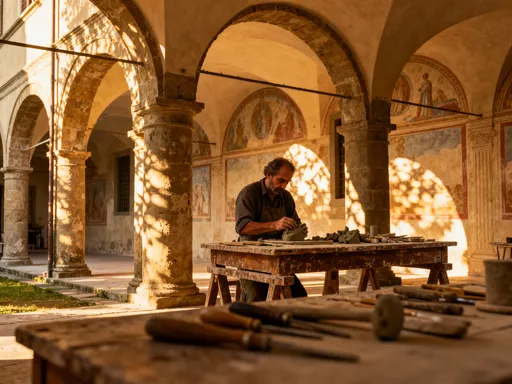
Some of Salamanca’s most powerful artistic experiences occur in spaces that were never intended as galleries. Abandoned chapels, silent cloisters, and forgotten cellars have been reimagined as temporary exhibition sites, where the weight of history amplifies the impact of the artwork. One such example is a 17th-century Augustinian cloister on the edge of the old town, now used occasionally for sound and light installations. During a recent cultural night event, visitors walked through the arcaded courtyard while listening to a composition based on Gregorian chants, layered with modern instrumentation. Projections of abstract patterns danced across the stone walls, creating a meditative atmosphere that blended past and present. These kinds of experiences are often announced only a few days in advance through local art networks or social media pages, making them feel like whispered invitations. Another site, a disused wine cellar beneath a former monastery, hosted a sculpture exhibition focused on themes of transformation and renewal. The damp air, the flicker of candlelight, and the echoes of footsteps enhanced the emotional resonance of the pieces. Because these installations are temporary and often unadvertised, discovering them requires patience and local connection. Ask at small bookshops, community centers, or university bulletin boards. Sometimes, the simplest question—"Where is something beautiful happening this week?"—opens the door to an unforgettable moment. These fleeting experiences remind us that art, like life, is transient—and all the more precious for it.
How to Experience Salamanca’s Art Scene Like a Local
To truly engage with Salamanca’s hidden art culture, timing and intention are key. Plan your visit to coincide with local cultural events, such as the Noche de los Museos (Night of the Museums), held each May, when galleries, churches, and private studios open their doors until midnight. During this evening, guided walking tours—often led by artists or art historians—connect lesser-known venues in themed routes, such as "Voices of Women Artists" or "Sacred Spaces, Modern Visions." Another opportunity is the weekly "Apertura de Talleres" (Studio Openings), typically held on Friday afternoons in spring and autumn, when artists invite the public into their private workspaces. These visits offer a rare glimpse into the creative process—sketches pinned to walls, half-finished canvases, tools covered in paint. Some studios offer small workshops where visitors can try their hand at printmaking or ceramic design under the artist’s guidance. Supporting the local art community doesn’t require a large budget. Many artists sell limited-edition prints, postcards, or handmade books at modest prices. Purchasing even a small piece not only brings a memory home but also sustains the creative ecosystem. When visiting these spaces, approach with respect and openness. Speak softly, ask thoughtful questions, and listen more than you speak. Remember, these are not performances for tourists, but acts of sharing. A warm smile, a sincere thank you, and genuine interest go far in building connection. Above all, allow yourself to be present. Put the phone away, breathe deeply, and let the art speak to you in its own time.
Conclusion: Finding Beauty in the Unseen
Salamanca teaches us that the most meaningful travel experiences are not always the loudest or the most photographed. They are found in the quiet courtyard where a single painting hangs in a shaft of light, in the alley where a mural tells a story of resilience, in the hushed chapel where sound and silence merge into something sacred. Seeking out hidden art is not about collecting sights—it is about cultivating awareness. It is about learning to see not just with our eyes, but with our hearts. For women between 30 and 55, many of whom balance family, work, and personal dreams, these moments of stillness and beauty can be deeply restorative. They remind us that creativity is not confined to museums or galleries; it pulses in the everyday, waiting to be noticed. Salamanca, with its golden stones and quiet corners, invites us to slow down, to look closer, and to rediscover the joy of discovery. Every city holds unseen canvases, if only we are willing to wander beyond the map. Let your next journey be not just to a place, but into a deeper way of seeing. The world is a living gallery—step inside, and let it transform you.