You Won’t Believe What This Quiet French City Does Every Summer
Tucked away in western France, Angers isn’t the first name that comes to mind when you think of French travel—but trust me, its summer festival scene is a game-changer. I went expecting quiet streets and medieval castles, but instead stumbled upon a city pulsing with music, light, and local passion. This isn’t Paris-level chaos or Provence-style crowds—it’s something rarer: authentic, vibrant, and refreshingly under the radar. While other destinations sell postcard perfection, Angers offers a deeper kind of magic—one rooted in community, creativity, and centuries-old charm that awakens each summer with joyful energy. It’s the kind of place where tradition doesn’t gather dust; it dances in the streets.
Discovering Angers: More Than Just a Stopover
Often overshadowed by the grand châteaux of the Loire Valley, Angers quietly holds its own as a destination rich in history, culture, and unexpected vitality. Located just south of the Maine River, this compact city serves as a gateway to one of France’s most celebrated wine and heritage regions. Yet increasingly, travelers are realizing that Angers is not merely a stepping stone to elsewhere—it is a destination worth savoring in its own right. With its well-preserved medieval architecture, green spaces, and a relaxed pace of life, it offers an inviting contrast to the more tourist-heavy towns nearby.
The centerpiece of Angers’ historic identity is the imposing Château d'Angers, a fortress originally built in the 9th century and later expanded by the Plantagenet rulers. Surrounded by 17 massive turrets and thick stone walls, the castle looms over the city like a sentinel from another era. Inside, visitors encounter the world-renowned Apocalypse Tapestry, a 14th-century masterpiece that depicts scenes from the Book of Revelation in vivid detail. At over 100 meters long, it’s one of the oldest and largest surviving tapestries of its kind. While the castle itself speaks to a distant past, Angers does not dwell in nostalgia. Instead, it uses its heritage as a springboard for modern cultural expression, particularly during the summer months.
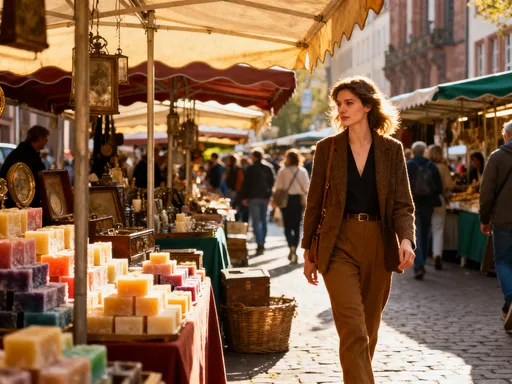
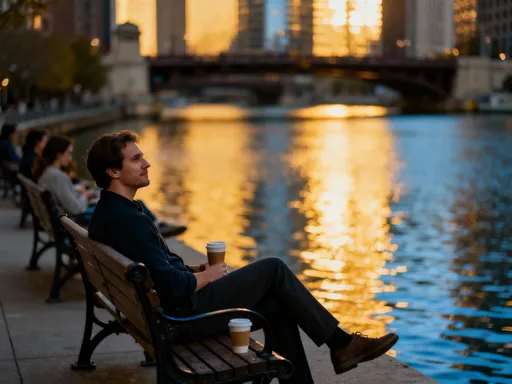
What sets Angers apart is its ability to balance reverence for tradition with a dynamic, forward-looking spirit. The city’s narrow cobbled lanes, lined with half-timbered houses and ivy-covered facades, are not preserved behind glass—they are lived in, walked through, and celebrated. Local markets bustle with vendors selling fresh produce, artisanal cheeses, and regional specialties. The banks of the Maine River invite leisurely strolls and riverside picnics. But when summer arrives, a transformation takes place. The cityscape becomes a canvas for performance, light, and shared experience. This is not tourism as spectacle; it is culture as participation.
The Heartbeat of the City: Festival d’Anjou and Summer Events
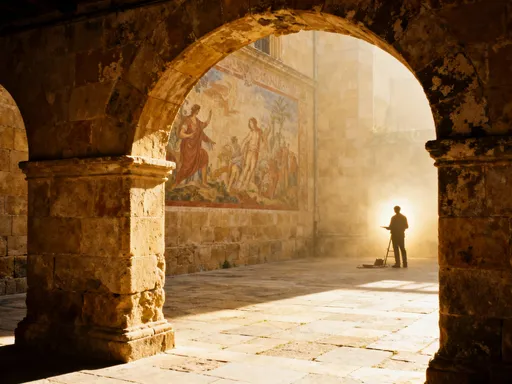
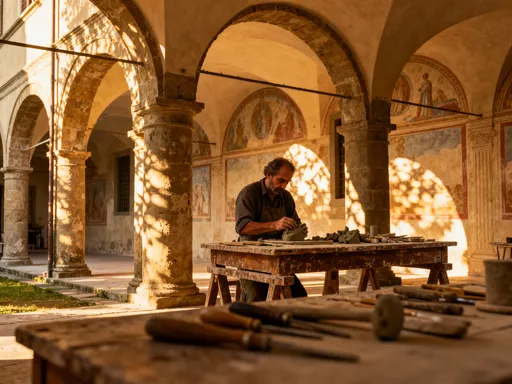
At the core of Angers’ summer vibrancy is the Festival d’Anjou, a cultural institution that has been bringing theater, music, and storytelling to life since 1947. Held annually from late June through July, this open-air festival turns the city’s most iconic locations into stages for artistic expression. Performances take place in the cloisters of ancient abbeys, within the shadow of the château, and in sun-dappled courtyards where centuries of history seem to echo with every line delivered.
What makes the Festival d’Anjou truly special is its programming. While classical works—particularly those of Shakespeare—form a strong foundation, the festival also embraces contemporary voices and experimental formats. A performance of *A Midsummer Night’s Dream* might be reimagined with modern costumes and live music, while a lesser-known French play could be given new life through innovative staging. The result is a blend of the familiar and the surprising, appealing to seasoned theatergoers and curious newcomers alike. The atmosphere is intimate, with audiences often seated on wooden benches or folding chairs, sometimes under a canopy of stars, creating a sense of closeness between performer and spectator.
Equally compelling is the biennial street arts festival, Les Accroche-Cœurs, which occurs every two years and transforms Angers into a citywide celebration of creativity. Over the course of several days, the streets come alive with jugglers, acrobats, giant puppets, and spontaneous musical acts. Performers from across Europe converge on the city, turning plazas and alleyways into impromptu performance spaces. Children laugh as they chase stilt-walkers in colorful costumes, while adults pause their coffee breaks to watch a mime enact a silent drama on a traffic island. The festival’s name, which translates to “heart-grabbers,” captures its essence—these are moments designed to stop you in your tracks, to lift your spirits, and to remind you of the joy found in simple, shared experiences.
Why These Festivals Stand Out: Authenticity Over Spectacle
In an era where many cultural festivals feel increasingly commercialized—dominated by sponsorships, premium seating, and mass-produced merchandise—Angers’ events stand apart for their authenticity. There are no corporate logos splashed across banners, no overpriced VIP lounges, and no sense that the experience is being curated for social media rather than real human connection. What you find instead is a community deeply invested in its cultural life, where artists are not just visiting performers but often local residents, students, or graduates of Angers’ respected conservatories and arts schools.
This local involvement gives the festivals a distinctive warmth and sincerity. You’ll see young actors from the Célestins Theatre School taking on leading roles, or music students from the Conservatoire de Musique performing in outdoor ensembles. These are not polished, Broadway-style productions, and that’s part of their charm. There’s a rawness, an earnestness, that makes each performance feel personal. The audience, too, reflects this spirit. Families spread blankets on the grass, elderly couples sit side by side in quiet appreciation, and tourists are welcomed with open smiles. There’s no pressure to dress up or know the plot in advance—just an invitation to be present, to listen, and to feel part of something meaningful.
Another defining feature is accessibility. Ticket prices remain modest, with many events either free or available for a small fee. This ensures that culture is not reserved for the elite but shared across generations and socioeconomic backgrounds. It’s common to see grandparents bringing grandchildren to a puppet show, or groups of friends gathering for an evening of jazz under the castle walls. The festivals are not about exclusivity; they are about inclusion. In this way, Angers demonstrates how art can strengthen community bonds and foster a collective sense of pride.
How to Experience the Festivals Like a Local
To truly appreciate Angers’ summer magic, timing and planning are essential. The Festival d’Anjou typically runs from the end of June through mid-July, with peak activity occurring in early July. Les Accroche-Cœurs, being biennial, occurs in odd-numbered years, so travelers should check the official city calendar to align their visit. Arriving a few days before the main events begin allows time to settle in, explore the city, and absorb the growing anticipation.
Accommodation options range from charming boutique hotels in the historic center to quiet bed-and-breakfasts just outside the city walls. Staying in the center offers the convenience of walking to most festival venues, many of which are within a 15-minute stroll of Place du Ralliement, the city’s main square. However, those seeking a more tranquil retreat might prefer a guesthouse near Lac de Maine, a scenic lake and park area on the city’s outskirts that offers walking trails, boat rentals, and peaceful greenery. Regardless of where you stay, booking early is advisable, as rooms fill quickly during festival season.
When attending performances, consider purchasing tickets in advance, especially for popular shows or opening nights. While many events offer same-day entry, securing a spot ahead of time ensures you won’t miss out. Arrive early to enjoy the pre-show ambiance—vendors often sell local snacks, wine, and handmade crafts, and there’s usually live music or street performance to set the mood. Don’t overlook the free opening events, which often include fireworks, outdoor concerts, and community picnics. These gatherings are a wonderful way to meet locals and experience the festival’s spirit from the very beginning.
Packing smart also enhances the experience. Even in summer, evenings in Angers can be cool, especially when sitting outdoors for extended periods. A light jacket or shawl is recommended. Comfortable walking shoes are a must, given the cobblestone streets and frequent strolls between venues. And while French is the primary language, most festival staff and younger residents speak enough English to assist visitors—don’t hesitate to ask for help or recommendations.
Beyond the Stage: Exploring Angers’ Cultural Layers
While the festivals are a major draw, Angers offers a wealth of cultural and recreational experiences that enrich any visit. The city’s commitment to the arts extends beyond summer, with year-round exhibitions, concerts, and workshops. The Musée des Beaux-Arts, housed in a former bishop’s palace, boasts an impressive collection spanning the 14th to the 20th centuries, including works by Delacroix, Courbet, and Monet. For those interested in natural history and science, the Muséum d’Histoire Naturelle provides engaging displays on geology, botany, and local wildlife.
One of the most unique attractions is Terra Botanica, Europe’s largest park dedicated entirely to plants and botanical innovation. Spread across 60 hectares, the park combines education with entertainment, featuring themed gardens, interactive exhibits, and seasonal light installations. During summer, evening events such as sound-and-light shows and family-friendly performances add another layer of enchantment. It’s a favorite among families and nature lovers, offering both relaxation and discovery.
The Lac de Maine area also serves as a hub for outdoor activities and cultural programming. In addition to boating and cycling, the lake hosts summer film screenings on an open-air screen, where visitors can bring blankets and enjoy classic and contemporary movies under the stars. Local food trucks and pop-up bars add to the convivial atmosphere. For a more active pursuit, the city’s extensive network of bike paths makes cycling a delightful way to explore. Angers is consistently ranked among France’s most bicycle-friendly cities, with ample rental stations and well-marked routes.
And then there is the cuisine—a quiet highlight that deserves attention. The region is known for its goat cheeses, particularly from nearby farms in Chavigny-Bailleul and surrounding villages. Rillettes, a slow-cooked pork spread, is another local staple, often served with crusty bread and cornichons. The Loire Valley’s vineyards produce crisp white wines, with Savennières and Coteaux du Layon being particularly prized. Many restaurants in Angers emphasize seasonal, locally sourced ingredients, offering menus that change with the harvest. Dining is not about extravagance but about savoring the simple pleasures of well-prepared, honest food.
Practical Tips for a Seamless Visit
Getting to Angers is straightforward and convenient. The city is well-connected by rail, with high-speed TGV trains from Paris reaching Angers in about 1.5 hours. Regional trains from Nantes take approximately 30 minutes, making it easy to combine a visit with trips to other parts of western France. The Angers Saint-Laud train station is centrally located, with clear signage and access to local buses and taxi services.
Once in the city, walking is the best way to explore the historic center. Most major attractions, including the château, cathedral, and main shopping streets, are within easy reach of one another. Public transportation is reliable, with a modern bus network and a tram line that connects key districts. However, for those who prefer a more active and flexible option, bike rentals are widely available through the city’s Vélocité program, which offers affordable daily and weekly passes.
When it comes to dining, it’s wise to avoid restaurants immediately around the train station, which tend to cater to hurried travelers and may lack authenticity. Instead, head to neighborhoods like Quartier Saint-Laud or La Doutre, where family-run bistros and cafés serve traditional dishes with a personal touch. Markets such as Marché Saint-Aubin offer fresh produce, cheeses, and baked goods—perfect for assembling a picnic to enjoy by the river or in one of the city’s many parks.
Language should not be a barrier for English-speaking visitors. While French is the dominant language, many younger residents and those working in tourism have functional English skills. Signage in major tourist areas is often bilingual, and festival programs typically include English summaries. A few basic French phrases—such as *bonjour*, *merci*, and *parlez-vous anglais?*—go a long way in building rapport with locals.
Why Angers Deserves a Spot on Your Travel Radar
In a world where popular destinations often feel overcrowded, overpriced, and overexposed, Angers offers a refreshing alternative. It is a city that values depth over dazzle, authenticity over image. Its festivals are not staged for Instagram likes but nurtured as expressions of local identity and artistic passion. They reflect a community that takes pride in its heritage while embracing creativity and connection.
Traveling to Angers is not about checking off landmarks or collecting souvenirs. It is about slowing down, opening your senses, and allowing yourself to be surprised. It is about hearing a sonnet spoken in an ancient courtyard, tasting wine that carries the terroir of sun-drenched slopes, and feeling the warmth of a culture that welcomes you not as a consumer but as a guest. In these moments, you begin to understand that the most meaningful travel experiences are not found in grandiosity, but in the quiet, human moments that linger long after the journey ends.
Angers may not be the first name on every traveler’s list—but perhaps it should be. It represents a different kind of French experience: one that is gentle, genuine, and deeply enriching. Whether you’re drawn to theater, history, nature, or simply the pleasure of discovering a place off the beaten path, Angers invites you to look beyond the surface and find beauty in the everyday. It’s not just a destination. It’s a reminder of why we travel at all.