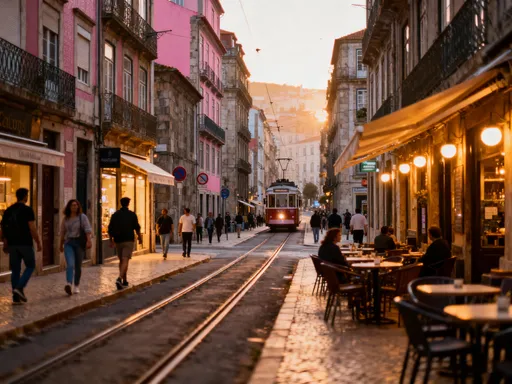
You Gotta See Havana From These Spots – Pure Magic at Every Turn
Havana isn’t just a city—it’s a living postcard. Every corner pulses with color, music, and history. But to truly feel its soul, you’ve got to see it from the right vantage points. I’m talking about places where time slows down, the ocean breeze hits just right, and the skyline tells a thousand stories. These aren’t just viewpoints—they’re moments frozen in light and shadow, where Havana reveals itself, one breathtaking glance at a time. For women who travel not just to check destinations off a list, but to carry home pieces of a place, Havana offers something rare: beauty with depth, charm with character, and views that become part of your inner landscape.
Why Havana’s Viewpoints Define the Experience
When we think of travel memories, we often recall how a place made us feel—not just what we saw. In Havana, the visual experience is inseparable from emotional resonance. The city’s unique energy comes alive most vividly from elevated or carefully positioned viewpoints, where the rhythm of daily life unfolds like a slow-moving painting. These perspectives do more than offer photo opportunities; they deepen understanding. From above or afar, you begin to see patterns—the way sunlight traces the curve of a cobblestone street, how families gather on balconies in the evening, or how music drifts across plazas like an invisible thread connecting neighbors.
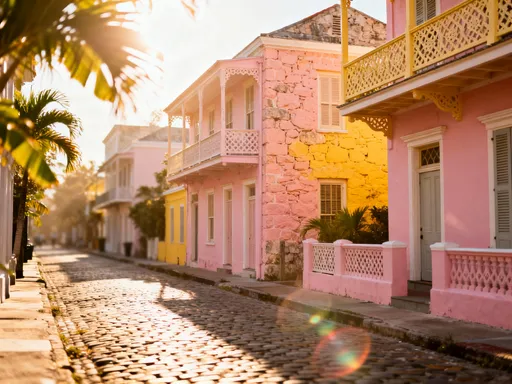
What makes Havana’s vantage points so powerful is their combination of elevation, light, and urban design. Unlike modern cities built for efficiency, Havana evolved organically over centuries. Its low-rise colonial architecture means that even modest heights—like a second-floor balcony or a gently sloping hill—can provide sweeping panoramas. The city’s orientation along the northern coast of Cuba ensures that golden hour light washes across facades in the late afternoon, turning weathered pastel walls into glowing canvases. At sunrise, the soft pink haze over the sea gives the skyline a dreamlike quality, while at night, dim streetlamps and candlelit windows create a sense of intimacy.
Curated viewpoints also offer a form of cultural immersion that goes beyond typical tourist routes. When you pause to observe, you become a quiet participant in the city’s daily rhythm. You notice the fisherman mending his net at dawn, the elderly couple sharing coffee on a bench, or the children playing dominoes under a mango tree. These moments, seen from stillness, help you appreciate Havana not as a museum piece, but as a living, breathing community. Choosing where to look—and when—transforms sightseeing into storytelling, allowing travelers to connect with the city on a deeper, more personal level.
El Malecón: Where the City Meets the Sea
Stretching eight kilometers along Havana’s northern shoreline, the Malecón is more than a seawall—it’s the city’s open-air living room. This broad esplanade, lined with sea-sprayed boulders and swaying palms, offers one of the most accessible and emotionally rich viewpoints in the capital. From sunrise to midnight, locals and visitors alike gather here to stroll, talk, fish, or simply sit and watch the waves crash against the shore. The view spans the horizon where the Atlantic meets the sky, with the city’s eclectic architecture rising just behind, creating a dynamic backdrop of color and motion.
The best time to experience the Malecón is during golden hour, when the setting sun bathes the pastel buildings in warm amber light. The air cools, the crowds shift, and musicians often appear with guitars and congas, filling the breeze with son, salsa, or bolero melodies. As dusk deepens into night, the atmosphere becomes even more enchanting. Streetlights flicker on, silhouettes move along the walkway, and the distant glow of Old Havana twinkles like scattered stars. For many visitors, especially women traveling solo or with family, this is a safe, welcoming space where you can feel both part of the city and comfortably apart from it.
What makes the Malecón truly special is its role as a social equalizer. Engineers, artists, grandparents, and teenagers all share the same stretch of stone. There’s no admission fee, no dress code, no agenda—just the shared pleasure of being near the water and immersed in the pulse of the city. For travelers seeking authenticity, this is where Havana feels most genuine. Sitting on the wall with your feet dangling above the surf, listening to laughter and guitar strings carried on the wind, you begin to understand why locals say the Malecón is not just a place, but a state of mind.
Fortaleza de San Carlos de la Cabaña: History with a View
Perched on a high bluff across Havana Bay, the Fortaleza de San Carlos de la Cabaña offers one of the most commanding views in the city. Built in the 18th century to protect Havana from pirates and foreign invasions, this massive stone fortress now serves as a peaceful retreat for those seeking both history and horizon. From its ramparts, you can see the entire sweep of Old Havana, the iconic Morro Castle guarding the harbor entrance, and the deep blue waters of the Atlantic stretching endlessly beyond. The vantage point is unmatched—elevated, expansive, and rich with narrative.
Walking through the fort’s arched corridors and open courtyards, visitors are treated to uninterrupted panoramas at every turn. The morning light illuminates the terracotta rooftops of the historic district, while in the late afternoon, the sun casts long shadows across the bay, highlighting the movement of boats and the glint of waves. Because the fort sits across the water from central Havana, it offers a rare outsider’s perspective—like looking at a diorama of the city, alive and in motion. For women who appreciate layered experiences, this blend of military history, architectural grandeur, and natural beauty is deeply satisfying.
One of the most memorable ways to experience the fort is during the nightly **cannon ceremony**, a tradition that dates back to colonial times. At exactly 9:00 p.m., a uniformed reenactor fires a cannon from the ramparts, a sound that once signaled the closing of the city gates. Today, it draws small crowds who gather not just for the spectacle, but for the view that follows—the city lights shimmering across the water, the cool night air, and the quiet pride of a ritual preserved. Arriving an hour early allows time to explore the museum exhibits, sip a local coffee, and find the perfect spot to watch both the ceremony and the transformation of the skyline as darkness falls.
Plaza Vieja: A Glimpse into Havana’s Layered Soul
Once the site of aristocratic homes and colonial gatherings, Plaza Vieja has evolved into one of Havana’s most vibrant public squares. Surrounded by beautifully restored buildings in shades of peach, ochre, and sky blue, the plaza is a visual delight at any hour. But its true magic unfolds when seen from above—specifically from the upper-floor cafés and galleries that line its perimeter. From these elevated perches, visitors gain an intimate perspective on daily life below: artists sketching portraits, families sharing ice cream, and dancers practicing steps between cobblestones.
The architecture of Plaza Vieja tells a story of resilience and renewal. Many of the buildings were neglected for decades but have been carefully restored, their ornate cornices, wrought-iron balconies, and colorful shutters now gleaming once more. In the late afternoon, sunlight slants across the square, reflecting off freshly painted facades and gilding the leaves of the royal palm at its center. This is the golden window for photography and quiet observation—a time when the plaza feels both historic and alive. For women who value beauty with purpose, the square’s revival symbolizes hope and continuity.
One of the most rewarding experiences is to sit with a cup of Cuban coffee at a second-floor café, such as Café Laurent or 1830, and simply watch the world turn. From this height, you’re close enough to hear laughter and music but removed enough to reflect. Children chase pigeons, couples pose for photos, and elderly men debate politics on a shaded bench. The view from above allows you to appreciate the harmony of the space—the symmetry of the buildings, the rhythm of movement, the balance between preservation and modern life. It’s a reminder that cities, like people, can age gracefully when cared for with intention.
Hotel Nacional’s Gardens: Elegance and Panoramic Charm
Nestled on a slight rise overlooking the sea, the Hotel Nacional de Cuba stands as a monument to timeless elegance. Opened in 1930, this historic hotel has hosted presidents, celebrities, and dignitaries, yet it remains welcoming to all who wish to experience its grandeur. While staying here is a luxury, simply visiting its lush gardens is one of Havana’s best-kept secrets. The landscaped grounds slope gently toward the water, offering sweeping views of the Malecón, the bay, and the city skyline—all framed by royal palms, hibiscus blooms, and vintage lampposts.
The gardens are a sanctuary of calm amid the city’s bustle. Stone pathways wind through manicured lawns, leading to quiet benches and shaded nooks perfect for reading or reflection. From nearly every angle, the vista includes the turquoise expanse of the Atlantic, the rhythmic crash of waves, and the distant silhouette of the city. Sunrise is an especially serene time to visit—when the sky shifts from indigo to soft coral, and the first light catches the hotel’s neoclassical façade. The air is cool, the grounds nearly empty, and the sense of peace is profound.
For travelers who appreciate history and beauty in equal measure, the Hotel Nacional delivers both. Statues honor Cuban patriots, plaques recall famous guests, and the architecture speaks of a bygone era of glamour. Yet the atmosphere is never pretentious. Locals jog through the gardens, couples stroll hand in hand, and hotel guests sip mojitos on the terrace. This blend of accessibility and elegance makes it an ideal spot for women who seek meaningful experiences—places that are beautiful, yes, but also layered with story and soul. Whether you come for a drink, a walk, or simply to sit and absorb the view, the Hotel Nacional offers a moment of grace.
Roof Terraces in Old Havana: Hidden Urban Lookouts
One of the most magical ways to see Havana is from above—specifically from the roof terraces of its colonial buildings. Scattered throughout Old Havana, these elevated platforms offer panoramic views of terracotta rooftops, church spires, and the occasional vintage car puttering through narrow streets. While not all are publicly accessible, many paladares (private restaurants) and cultural centers have opened their rooftops to guests, creating intimate, often uncrowded vantage points that feel like discovering a secret.
Some of the most authentic rooftop experiences can be found at family-run paladares like La Guarida, known for its appearance in the film *Strawberry and Chocolate*. Its rooftop dining area offers a 360-degree view of the city, especially stunning at sunset when the sky blazes in hues of tangerine and lavender. Other spots, such as Café Havana or Fabrica de Arte Cubano, combine art, music, and elevation, allowing visitors to enjoy culture and scenery simultaneously. These venues are carefully maintained, safe, and respectful of both guests and neighbors—important considerations for women traveling independently or in small groups.
When seeking out rooftop views, it’s essential to do so respectfully. Trespassing on private buildings is not only unsafe but also disrespectful to residents. The best approach is to visit establishments that welcome the public, where access to the roof is part of the experience. Many require reservations, especially in high season, so planning ahead ensures a smooth visit. From these heights, Havana reveals its intricate patchwork—rooftops patched with corrugated metal, clotheslines strung between buildings, potted plants thriving in the sun. It’s a view that celebrates imperfection, resilience, and everyday beauty.
Driving Along the Malecón in a Classic Car: A Moving Vista
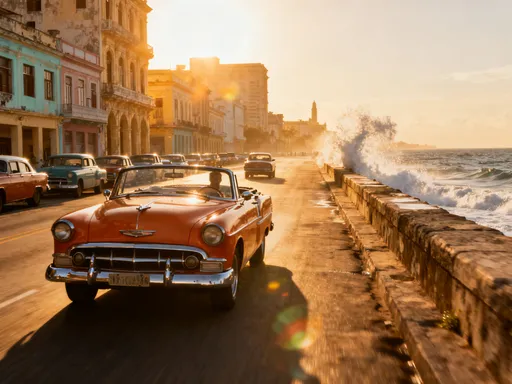
For a truly dynamic way to experience Havana’s coastline, nothing compares to a drive along the Malecón in a classic 1950s convertible. These brightly colored American cars—Chevys, Fords, and Cadillacs—are more than tourist attractions; they’re rolling pieces of history. When the top is down and the engine hums to life, the city transforms into a living film. The wind rushes past, the music plays, and the scenery unfolds in a continuous stream of color, light, and motion.
The drive offers a unique perspective—one that combines speed and stillness, observation and participation. As the car glides along the seawall, you see the waves crashing against the rocks, couples walking hand in hand, and fishermen casting lines into the surf. The light shifts constantly, reflecting off chrome bumpers and sea spray, creating a cinematic effect. Unlike static viewpoints, this moving vista allows you to experience the rhythm of the city in real time—how it breathes, pulses, and changes from one block to the next.
To make the most of the experience, choose a reputable driver through a licensed tour operator or hotel recommendation. Most drivers are knowledgeable, friendly, and proud to share their city. They often stop at key points—such as the entrance to Old Havana or the foot of the Malecón—for photos and commentary. For safety and comfort, it’s best to go during daylight or early evening, when traffic is lighter and temperatures are milder. Whether you’re riding with family, friends, or solo, this journey offers a joyful, memorable way to connect with Havana’s spirit.
Conclusion: Seeing Havana Is Feeling It
Havana reveals itself not in grand declarations, but in quiet moments seen from the right place at the right time. Each viewpoint—from the windswept Malecón to the hushed gardens of the Hotel Nacional—offers a distinct layer of emotion, history, and beauty. These are not just places to take photographs, but spaces to pause, reflect, and absorb. For women who travel with heart and intention, these vantage points become anchors—memories etched not just in the mind, but in the soul.
The city’s magic lies in its ability to surprise. A glimpse of sunlight on a cobblestone, the sound of laughter from a balcony, the scent of salt and jasmine on the breeze—these small details, seen from stillness, create a deeper connection. They remind us that travel is not just about where we go, but how we see. In Havana, the best views are not passive; they invite participation, contemplation, and wonder.
So as you plan your journey, seek out these moments of elevation and quiet. Let the city unfold before you—not in haste, but with presence. Because in the end, the views you carry home are not just of Havana, but of yourself within it: more awake, more alive, and forever touched by the light of a Caribbean dawn.